

Daylight Saving 2025 Canada: When It Ends & Health Tips

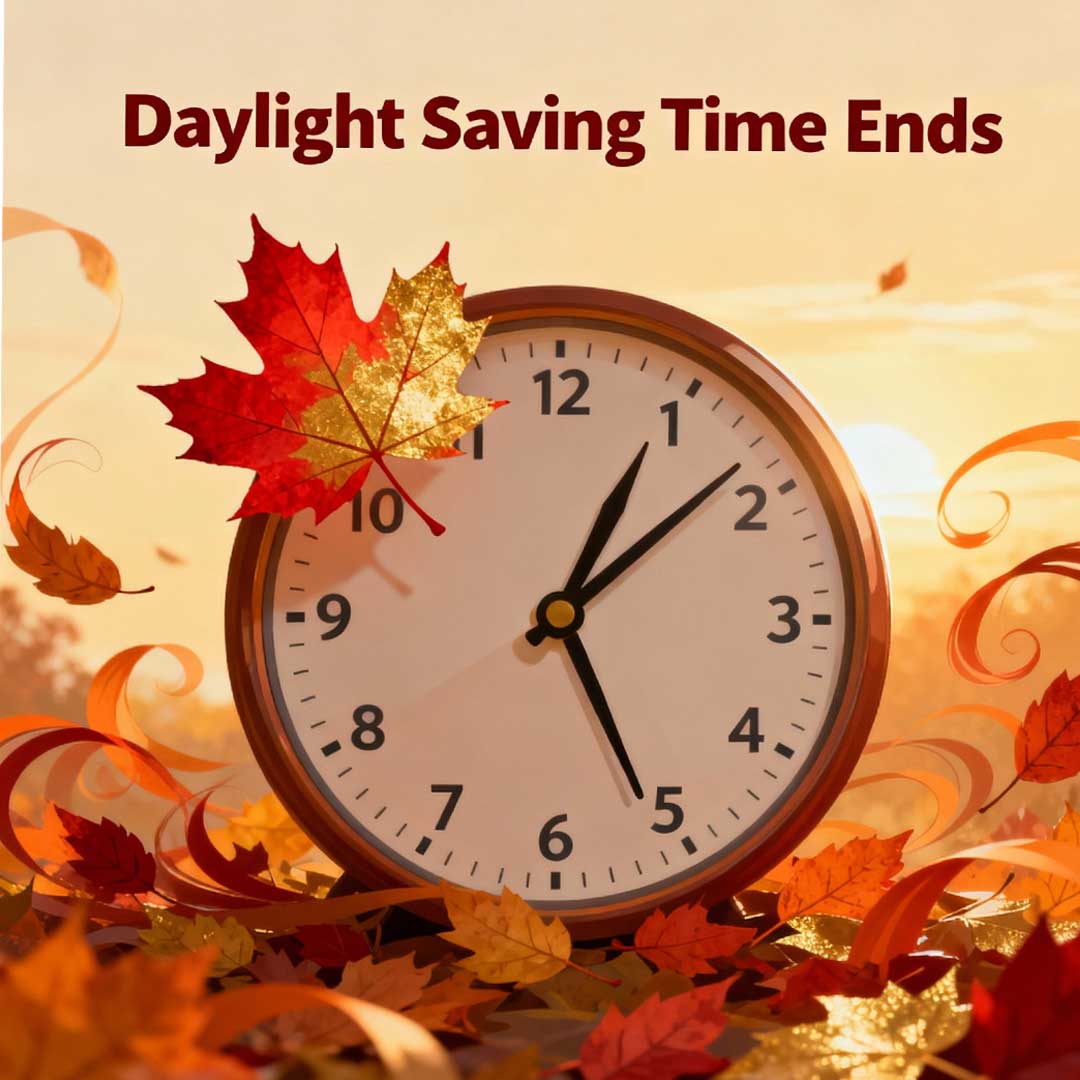
Daylight Saving Time 2025 Canada: Everything You Need to Know About “Falling Back”
This weekend marks another familiar ritual for most Canadians: the end of daylight saving time. If you’re wondering exactly when to set your clocks back or how to handle the transition without feeling completely out of sorts, you’re not alone. Daylight saving time ends in Canada on Sunday, November 2, 2025, at 2:00 AM local time when clocks “fall back” to 1:00 AM, officially returning us to Standard Time.timeanddate+1
While gaining an extra hour of sleep sounds appealing, the reality is more complex. The twice-yearly time change affects millions of Canadians in ways that go far beyond simply adjusting clocks. From disrupted sleep patterns to increased accident risks, the health implications are real—and there’s growing political momentum to end this practice altogether.ctvnews+1
This comprehensive guide covers everything Canadian families need to know about the daylight saving time 2025 transition, including practical health tips, which provinces are pushing for change, and why this could be one of the last times we “fall back.”
1. Understanding Daylight Saving Time in Canada: The Basics
When Exactly Do Clocks Change?
Daylight saving time ends on November 2, 2025, at 2:00 AM across most of Canada. At that precise moment, clocks automatically “fall back” to 1:00 AM, giving you an extra hour in your weekend. If you’re manually setting clocks, remember to turn them back one hour before going to bed on Saturday night.wofgpa+1
The spring transition works in reverse: daylight saving time begins on March 9, 2025, at 2:00 AM, when clocks “spring forward” to 3:00 AM. This means we observe daylight saving time for 34 weeks (238 days) annually—roughly 65% of the year.wikipedia+2
Which Parts of Canada Actually Change Their Clocks?
Here’s where it gets interesting. Not all of Canada participates in this twice-yearly ritual:todocanada+1
Provinces that observe DST:
-
British Columbia (with exceptions)
-
Alberta
-
Manitoba
-
Ontario
-
Quebec
-
New Brunswick
-
Nova Scotia
-
Prince Edward Island
-
Newfoundland and Labrador
Regions that DON’T change clocks:
-
Saskatchewan (stays on Central Standard Time year-round, except Lloydminster)
-
Yukon (switched to permanent Mountain Standard Time in 2020)
-
Peace River region of BC (Dawson Creek, Fort St. John, Hudson’s Hope, Taylor, Tumbler Ridge)
-
Parts of Nunavut
Saskatchewan essentially lives on “permanent daylight saving time” since they stay on Central Standard Time year-round, which matches Alberta’s summer time.yuliannavoloshyna+1
2. The Health Impact: Why Your Body Struggles with Time Changes
Sleep Disruption and the Science Behind It
The health effects of daylight saving time are more significant than most Canadians realize. When we suddenly shift our schedules by an hour, it disrupts our circadian rhythms—the internal biological clock that regulates sleep-wake cycles.healthcouncilcanada+1
Research shows that during the spring transition, people lose an average of 40 minutes of sleep per night for several days following the change. Even the “easier” fall transition can cause problems as our bodies adjust to the new schedule.sleepfoundation+1
Dr. Russell Foster, a circadian rhythm expert, explains that our internal clocks are synchronized by light exposure. When we artificially shift our schedules twice yearly, it creates a phenomenon called “social jet lag”—similar to what you’d experience flying across time zones.healthcouncilcanada
Short-Term Health Effects You Might Experience
This weekend’s time change may cause:
-
Difficulty falling asleep or staying asleep for 3-7 days
-
Daytime fatigue and decreased alertness
-
Mood changes, irritability, or temporary anxiety
-
Difficulty concentrating at work or school
-
Changes in appetite patterns
-
Increased clumsiness or accident riskapnews+2
Long-term concerns include:
-
Increased risk of heart attacks and strokes (particularly in spring)
-
Higher rates of depression and seasonal affective disorder
-
Disrupted hormone production
-
Weakened immune system response
-
Potential increased cancer risk from chronic circadian disruptionhealthcouncilcanada+1
Mental Health and Seasonal Considerations
The fall time change creates a unique challenge for Canadian mental health. Earlier sunsets mean reduced exposure to natural daylight, which can trigger seasonal affective disorder (SAD) symptoms in susceptible individuals.healthcouncilcanada
The combination of time change disruption plus reduced daylight exposure can lead to:
-
Persistent low mood
-
Loss of interest in activities
-
Changes in sleep and eating patterns
-
Difficulty concentrating
-
Social withdrawal
If you typically struggle with seasonal depression, this weekend’s transition requires extra attention to mental health strategies.healthcouncilcanada
3. Health Tips for Adjusting to the Time Change
Before the Change: Preparation Strategies
Starting this Thursday (October 30), gradually prepare your body:
-
Go to bed 15-20 minutes later each night leading up to Sunday
-
Delay your morning routine by 15-20 minutes daily
-
Get extra sunlight exposure during afternoon hours
-
Avoid large meals, caffeine, and alcohol close to bedtime
-
Keep bedroom temperature cool (18-20°C) for optimal sleeptimechange+1
Weekend Transition Tips
Saturday night/Sunday morning strategy:
-
Set clocks back manually before bed (though most devices auto-adjust)
-
Use blackout curtains to prevent early morning light from disrupting the extra hour
-
Avoid the temptation to stay up extra late—stick to your regular bedtime
-
Plan a relaxing Sunday to allow your body to adjust gradually
-
Get outside for natural light exposure Sunday morningapnews+1
Post-Change Recovery (Week of November 3-9)
Help your body adjust faster:
-
Maintain consistent sleep and wake times, even on weekends
-
Seek bright light exposure first thing in the morning
-
Limit screen time 2 hours before your new bedtime
-
Consider a short 20-30 minute nap if extremely tired (but not after 3 PM)
-
Exercise regularly, but not within 4 hours of bedtime
-
Practice relaxation techniques like deep breathing or meditationsleepfoundation+1
Special Considerations for Families
Parents of young children and teens need extra strategies:
-
Children’s biological clocks are more sensitive to schedule changes
-
Adjust meal times gradually along with sleep schedules
-
Maintain consistent bedtime routines to provide stability
-
Be patient with temporary behavioral changes or mood swings
-
Consider light therapy devices for teens struggling with early darknesshealthcouncilcanada
4. The Growing Movement to End Daylight Saving Time in Canada
Federal Political Action
There’s significant momentum building to end the twice-yearly time changes across Canada. Liberal MP Marie-France Lalonde introduced Bill C-248 in October 2025, calling for a pan-Canadian conference to establish one consistent time year-round.cbc+1
“Canadians are constantly asking and debating why we change our clocks,” Lalonde stated. “Today, I’m here to say the time has come to address the time change issue.” The bill aims to bring together provincial, territorial, and Indigenous authorities to reach a consensus on ending the biannual ritual.ctvnews+1
Provincial Positions and Challenges
Provinces ready to eliminate DST but waiting for neighbors:
-
British Columbia: Passed legislation for permanent daylight saving time, waiting for Washington, Oregon, and California
-
Ontario: Passed similar legislation, but changes depend on Quebec and New York State decisions
-
Manitoba: Ready to switch if the United States makes the change
-
Quebec: Conducted public surveys in 2024, currently analyzing resultsyuliannavoloshyna+1
Provinces that already opted out:
-
Saskatchewan: Chose year-round Central Standard Time decades ago
-
Yukon: Permanently adopted daylight saving time in 2020
The challenge is coordination. No province wants to create economic disruption by having different business hours than their major trading partners.cbc+1
5. Looking Ahead: What Changes Might Come
2026 and Beyond
If no legislative changes occur, the next daylight saving time transitions will be:
-
Spring 2026: March 8, 2026, at 2:00 AM (clocks forward)
-
Fall 2026: November 1, 2026, at 2:00 AM (clocks backward)timechange
However, the political momentum suggests this could change. MP Lalonde’s bill represents the strongest federal push yet to address the issue comprehensively.cbc
International Considerations
Canada’s decision-making is complicated by our close economic ties with the United States. Any permanent change would ideally coordinate with American decisions to avoid business disruption. Several US states have passed legislation to adopt permanent daylight saving time, but federal approval is required.yuliannavoloshyna
The European Union has also debated ending seasonal time changes, with mixed progress across member nations.
Frequently Asked Questions About DST in Canada
- When exactly does daylight saving time end in Canada 2025?
Daylight saving time ends on Sunday, November 2, 2025, at 2:00 AM local time. Clocks automatically fall back to 1:00 AM.timeanddate+1 - Do all Canadian provinces change their clocks?
No. Saskatchewan, Yukon, and parts of British Columbia and Nunavut do not observe daylight saving time.wikipedia+1 - Why do we still have daylight saving time?
Originally implemented for energy conservation during wartime, DST continues due to various economic and social factors, though its benefits are increasingly questioned.mycism+1 - How long does it take to adjust to the time change?
Most people adjust within 3-7 days, though some individuals never fully adapt to the biannual changes.sleepfoundation+1 - Will Canada eliminate daylight saving time?
There’s growing political momentum, with federal legislation proposed and several provinces ready to make changes pending coordination with neighboring jurisdictions.ctvnews+1 - What health problems does daylight saving time cause?
Short-term effects include sleep disruption, fatigue, and mood changes. Long-term concerns include increased risks of cardiovascular issues, depression, and immune system problems.healthcouncilcanada+1
6. The Bottom Line: Making the Most of “Falling Back”
This weekend’s time change affects 85% of Canadians, but with proper preparation, you can minimize the disruption. The key is treating this like a mini jet lag recovery—be patient with your body, maintain consistent routines, and prioritize sleep hygiene.wikipedia
More importantly, this may be one of the last times we go through this ritual. The combination of health research, economic considerations, and political momentum suggests permanent time is increasingly likely in Canada’s future.
Whether we end up on permanent standard time or permanent daylight saving time will depend on complex negotiations between provinces, territories, and international partners. But the era of twice-yearly clock changes appears to be winding down.
For now, enjoy that extra hour this weekend—and use it to prepare for the darker evenings ahead. Your body, your productivity, and possibly your long-term health will thank you for taking the transition seriously.
Key Reminders for November 2, 2025:
-
Set manual clocks back one hour Saturday night
-
Prepare for earlier sunsets and darker evenings
-
Maintain consistent sleep schedules during the adjustment period
-
Be extra cautious driving Monday morning
-
Consider light therapy if prone to seasonal mood changes
-
Replace smoke detector batteries while changing clocks
Disclaimer: This article provides general information about daylight saving time and health considerations. For personalized medical advice regarding sleep disorders, seasonal affective disorder, or medication timing adjustments, consult with qualified healthcare professionals. Time change effects vary by individual, and those with existing health conditions should seek specific medical guidance.